“I’m too busy. I don’t have time.”
This is a common refrain among busy startup founders.
Typical self-care advice is impossible to consider.
Take a long bath. Meditate for 30 minutes. Get your 10,000 steps daily.
If you have the luxury of time, it can work well.
But if you’re a busy, time-poor founder with a long list of to-dos, these can feel out of reach.
Here’s where a short pause comes in.
Read on to find out what a micro moment is, the neuroscience behind it, and how to get one done in 30 seconds with no changes to your routines!
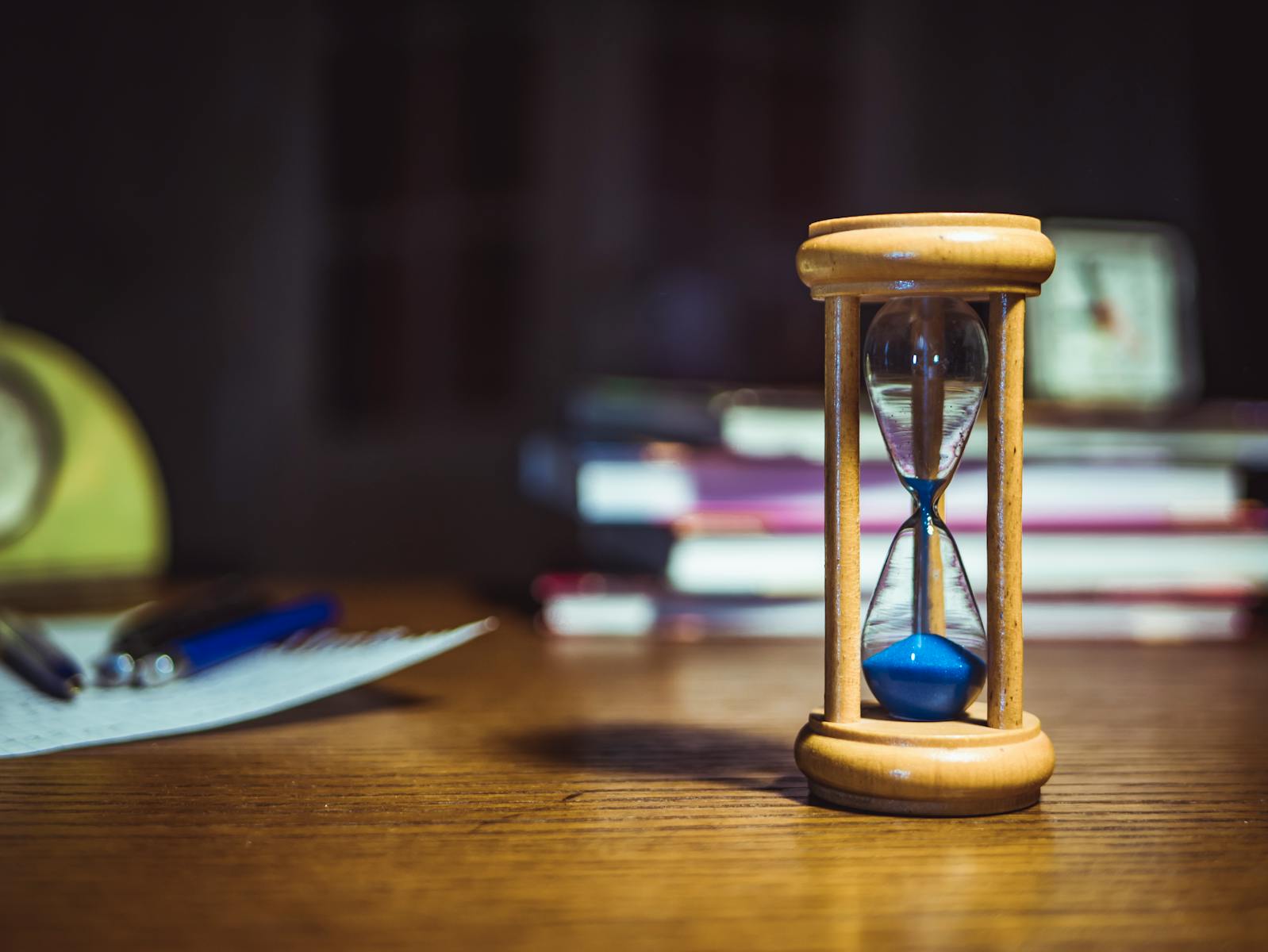
What Is A Micro Moment?
Brief moments, or micro moments, are intentional pauses during which you ground yourself in the present moment with your five senses.
They can take 30 to 60 seconds. And best of all, they don’t require any fancy tools or privacy.
All you need to get started is your awareness.
While Google first coined the term for marketing purposes, it works well in the context of mental wellbeing. Micro-moments offer busy founders both a quick check-in and a short reset.
If you’re wondering how a micro moment can help, here’s how.
A Short Pause: A Busy Founder’s Ally
Startup founders face high levels of decision fatigue and overload when every little decision can feel “too much”.
This is due to a lack of cognitive capacity. In turn, this results in a sense of disconnection from yourself, work, and team.
Cumulatively, it makes you prone to system overload.
And here’s why it’s your ally.
If you take movement snack breaks to stretch out limbs stiff from stooping over your laptop, you get the idea.
The short pause is like a mental snack break. It is a short but powerful moment to bring your brain back to equilibrium in the short term.
And to build resilience in the long run.
The Science Behind The Short Pause
Can 60 seconds make a difference…really?
And the answer is yes. When done with intention, they give measurable benefits to mental wellbeing (and physical health too!)
During a short pause:
- Heart rate variability increases: this is an indicator of stress resilience
- The prefrontal cortex comes back online: this supports emotional control and rational decision-making
- Dopamine levels rise: this gives a boost to your sense of reward and pleasure
- Cortisol levels drop: this reduces your stress hormone
As you can see, this creates the environment for a biochemical holiday from overwhelm.
Moreover, even a 30-second awareness exercise can interrupt the anxiety loop.
This is based on research by Dr Judson Brewer, an American psychiatrist and neuroscientist, based at Brown University.
Additionally, it can also rewire a stress response.
A 2022 meta-analysis by Albulesc et al. showed that micro-breaks reduced fatigue and improved energy levels.
And it was particularly beneficial for creative and cognitively demanding tasks.
Still not convinced?
What if you look at a reset point as a performance tool?

A Short Moment To Yourself As A Performance Tool
A micro moment can be your golden ticket to building a sustainable way to boost performance.
They help you:
- Regain your sense of control
- Refocus attention
- Reboot your nervous system
Taking a moment for yourself gives both your mind and your nervous system a break to calibrate.
As a result, you return to your hustle feeling calmer and centred.
Over time, the benefits add up. As a result, your operating system quickly recalibrates when it’s triggered.
So, how about adding a micro moment (or two!) to your daily routine
Does it sound too good to be true? Or does it sound too easy?
What if all it took was a minute?
Here’s how.
Press Pause Using Your Senses
The quickest way to pause is by using your 5 senses.
If you’re not sure that they are, here’s a quick recap: sound, sight, smell, taste, and touch
To put it simply, use your five senses, along with whatever you have around you, to give yourself a moment.
Sound
Pull up your Spotify and turn on a favourite song. Or any music you like.
Listen for a minute without scrolling or chatting simultaneously.
Try this for a moment between meetings or calls.
Music stimulates the pathways that release feel-good hormones, or a natural high and it helps reduce stress hormones.
Sight
Pay attention to your surroundings. What do you see?
Shadows on the wall, books? Or perhaps a tree?
Pay close attention to the colours and features.
Then, engage for a minute. No multitasking while you’re at it!
You can do this when you’re at the office, at home and even when you’re commuting.
By focusing on one thing, you’re centring your attention in the present moment, which reduces the overload.
Smell
Take a good whiff of your morning brew. What’s it like?
Not a fan of hot drinks? Then pay attention to the smell of perfume or aftershave.
Don’t use any? Then take some deep breaths
Before you start your back-to-back meetings, centre yourself with a few deep breaths.
Or anytime you have a coffee in hand,

Touch
How does your keyboard feel, your top or your watch?
As you start your calls and meetings, press your feet firmly on the ground and stay engaged for thirty seconds.
Your sense of touch anchors you in your body and supports you in diffusing anxiety.
Taste
Pay attention to the flavours in your meal. What are the textures of your snacks?
An easy way to anchor yourself to your sense of taste is to close your eyes for the first bite of the meal.
By slowing down to savour your food, you trigger your nervous system’s “rest and digest” mode for a moment of calm!
If you’re wondering how to keep this going over time, here are some ways.

Creating A Sustainable Schedule For A Brief Mental Reset
Even as a busy startup founder, you still have a minute.
And it’s about making the most of those minutes.
Still not convinced?
Then, here are some ways to include a mental reset in your day without too much fuss.
Add to your existing patterns and routines: Smell and taste the first sip of your brew, eyes closed.
Use your environment: If your phone pings, wiggle your toes or press your palms together
Keep a list: Are you likely to forget?
Keep a note on your phone or a post-it on your laptop with three ways to anchor yourself.
Just like with any other habit, repeat the practice.
And you’ll build your resilience muscle. Add more moments to your day over time!
Conclusion
You need a minute, not a retreat.
No time to head off to Bali or the Greek islands for a wellbeing retreat? No problem.
Use micro moments to help you recalibrate, and you’ll form a sustainable habit that doesn’t eat into your time or resources.
Just take one mindful moment.
How will you use micro-moments throughout your day?
Next Step: Let’s Talk
If you’d like support with moving towards a new way of operating, get in touch.
I offer a 20-minute clarity call where we can connect and explore your requirements. Book here.
Author: Maniesha Blakey
About the Author: Maniesha Blakey

I’m Maniesha Blakey, a mental fitness coach for startup founders and teams. I support leaders navigating decision fatigue, lack of clarity, and co-founder or team friction, strengthening performance and psychological resilience. With experience in the startup ecosystem and specialist work in neurodiversity and addiction recovery, I blend evidence-based coaching, counselling psychology, and somatic tools to build sustainable leadership capacity, so founders can scale without sacrificing their wellbeing, their teams, or their long-term impact.
FAQs
1. I barely have time to eat. How can I possibly fit in micro-moments?
That’s exactly why they work. Micro-moments take 30–60 seconds and integrate into your existing routines, whether it’s sipping your coffee, waiting for a download, or before a call. They’re not “extra tasks” but small awareness resets built into what you already do.
2. What’s the real benefit of taking such short pauses?
Even a 30-second pause can reboot your nervous system. Research shows micro-breaks increase heart rate variability, reduce cortisol, and activate the prefrontal cortex (responsible for focus and emotional regulation). The result: more clarity, better decision-making, and lower stress.
3. Isn’t this just mindfulness rebranded?
Not quite. Traditional mindfulness often requires dedicated time and structure (e.g. 20-minute meditation). Micro-moments are context-based and time-flexible, designed for high-demand environments like startups. They offer similar physiological benefits in a fraction of the time.
4. How many micro-moments should I take in a day?
Start small, with one or two intentional pauses daily. As it becomes habitual, you can add more. Think of them as mental “snack breaks” rather than full meals: frequent, light resets to maintain energy and focus.
5. What if I try it and don’t notice any difference?
That’s normal at first. The benefit is cumulative. Just as one workout doesn’t build strength overnight, consistent micro-pauses rewire your stress response over time. Within a week, you’ll likely notice improved focus and calmer reactions under pressure.
6. How can I make this a sustainable practice?
Anchor it to something you already do daily, whether to your first coffee, opening Slack, or ending a meeting. Add subtle cues: a note on your laptop, a gentle phone reminder, or a phrase like “press pause.” Over time, these moments become automatic resets that sustain your energy without adding workload.
Leave a Reply